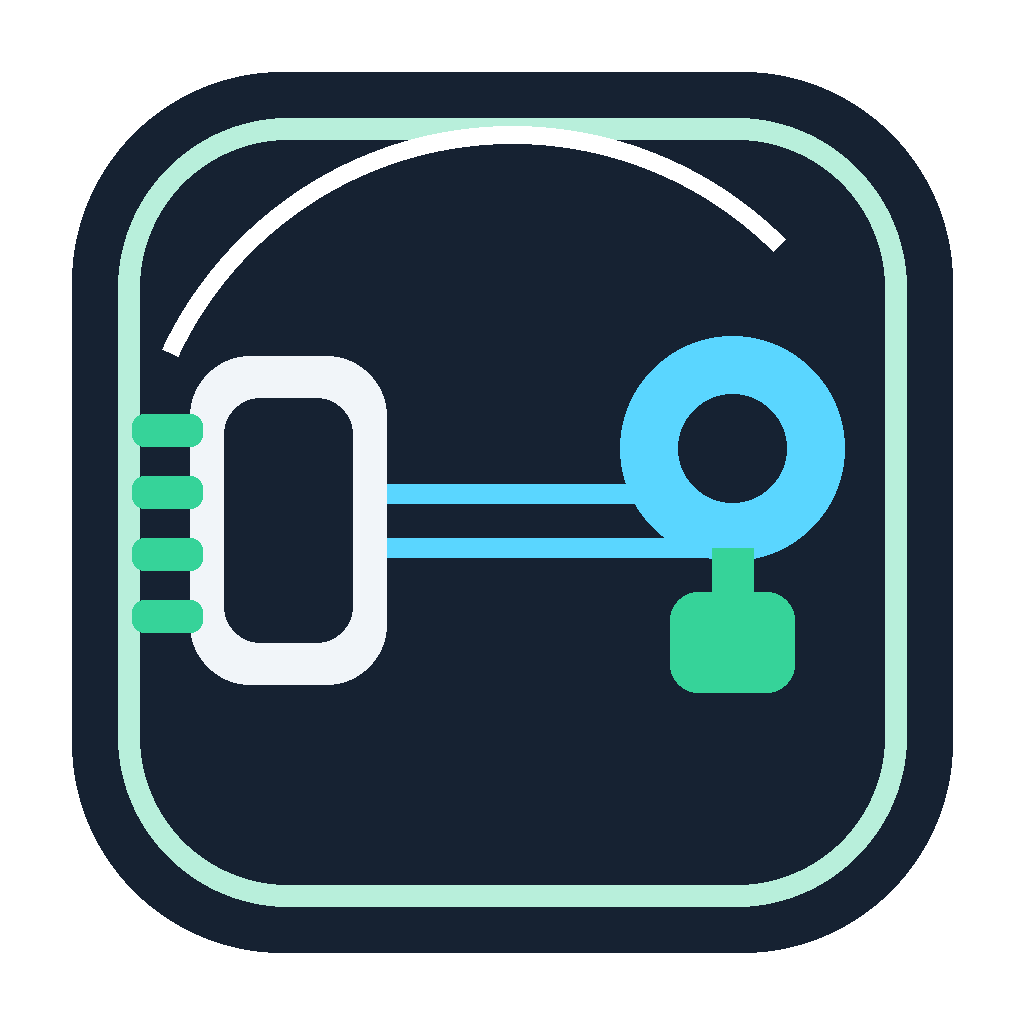
What a serial device server does
A serial device server connects serial equipment to a TCP/IP network. It is common in industrial sites, labs, energy monitoring, access systems, and remote instrumentation.
Why the Windows side still matters
Even if the device is now on Ethernet, the Windows application may not know how to open a TCP socket. It may only provide a COM port dropdown. A software bridge gives that application a local COM interface.
When a bridge is useful
- You cannot modify the legacy Windows application.
- The device server exposes a raw TCP endpoint.
- The operations team wants to keep the same serial workflow.
- You need multiple TCP endpoints mapped to multiple COM ports.
Common mistakes
Teams often test only network reachability and forget COM-port conflicts, application baud-rate expectations, reconnect behavior, and who has permission to install or maintain the virtual port driver.
ComLinker approach
ComLinker maps TCP client rules to local virtual COM ports, shows binding status, and lets you export diagnostics when troubleshooting a device server deployment.